A Line of Lavender, A Lesson in Restraint
In the lavender fields of Provence, the restraint of a single plant teaches a profound lesson in garden design.
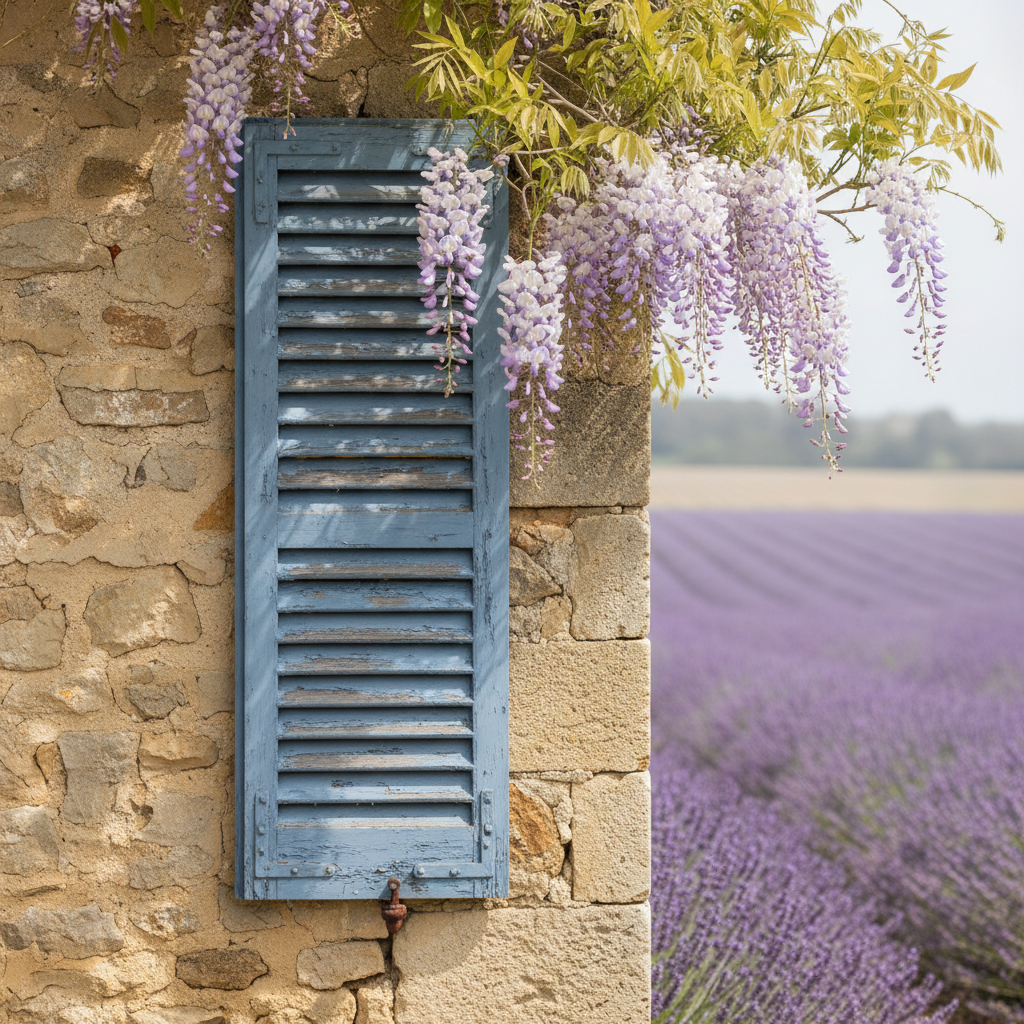
The mind’s eye holds a romantic picture of Provence. It is a place of sun-bleached stone, faded blue shutters, and fields of lavender that stretch into an impressionist haze. This is the image sold on postcards and in travel brochures, a landscape of overwhelming, fragrant beauty.
To see these fields in person is to be humbled by their scale. The uniform rows create a texture, a fabric of purple laid over the rolling land. It is a human-made wonder, an agricultural triumph that has become synonymous with the region itself. The scent on the wind is a heady, complex perfume of floral sweetness and herbal camphor.
Yet, the power of this landscape is not just in its vastness. It is also found in the quiet repetition of a single form. One lavender plant, and then another, and another. Each is a contained universe of color and scent, a testament to the elegant structure of the natural world.
To cultivate a garden is to decide what to leave out.
The temptation in any garden is to do too much. To add one more color, one more texture, one more species. We collect plants like souvenirs, and the result can be a space that feels cluttered, a chorus where every voice is shouting. The garden becomes a catalogue of acquisitions rather than a cohesive, tranquil space.
On Restraint
The lavender plant offers a different model. It does not sprawl or aggressively compete. It holds its shape, its silver-green foliage a neat mound, its flower spikes erect and orderly. It has a quiet dignity, a self-possession. It demonstrates that beauty does not need to be loud or ostentatious. There is a profound elegance in simplicity, in the careful editing of the unnecessary.
To plant a single line of lavender along a path or against a warm stone wall is to practice this art of restraint. The repetition of its form creates a rhythm, a sense of order. The limited palette—the purple of the flower, the grey of the leaf, the ochre of the stone—is calming to the eye. It is a composition, not a collection.
This approach requires a certain confidence. It is a declaration that this one thing, done well, is enough. It is an understanding that the empty spaces in a garden are as important as the planted ones. The pause is what gives the note its meaning. The unpainted part of the canvas is what directs the eye.
This is not an argument for minimalist, sterile gardens. A wild, untamed cottage garden has its own chaotic charm. But even there, the most successful examples often rely on a subtle repetition of color or form to create a sense of unity amidst the profusion.
The lesson from a simple line of lavender is that restraint is not about limitation, but about focus. It is about choosing what matters most and giving it the space to be seen. It is about understanding that in the garden, as in writing or in life, clarity is often achieved by leaving things out.
The fields of Provence are a spectacle. But the quiet wisdom of a single lavender plant, standing in its row, offers a more portable and profound truth. It teaches us that sometimes, the most powerful statement is the one spoken most softly.
The longer reading lives in the magazine.
This essay is one observation. Edition IV carries the plates, the studies and the directory of Provence, France — thirty pages, on uncoated stock, posted across Europe.
Continue reading
All essays → Editorial · 8 min
What a house is worth, and what it costs
On the difference between price and value, and why we have stopped using the first to describe the second.
 Markets · 11 min
The quiet market
Why the most interesting European homes are no longer listed, and what that means for the people looking for them.