What a house is worth, and what it costs
On the difference between price and value, and why we have stopped using the first to describe the second.
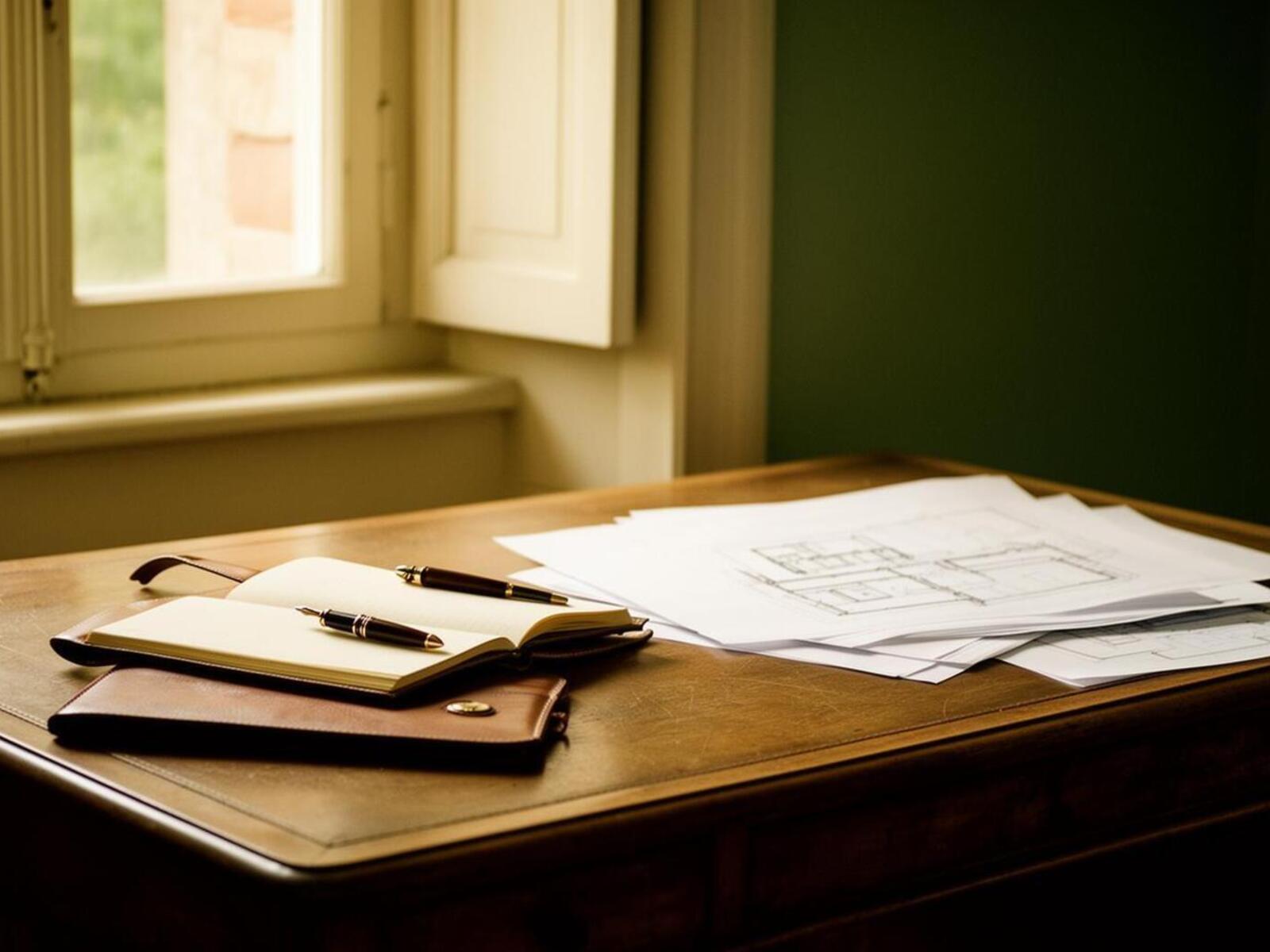
There is a question we now ask every owner before we agree to write about a house: what does it cost you to keep it the way you keep it? Not the mortgage, not the insurance, not the gardener — those are line items, and a spreadsheet can be honest about them. We mean the other costs. The Sunday spent re-pointing a wall because the mason will not be back until October. The trip to a quarry an hour away to find a tile that matches one broken last winter. The patience of waiting three months for the right oak.
These costs do not show up on a valuation. They are the difference between a house that is owned and a house that is kept. And, in our experience, they are the only honest predictor of what a house will be worth in twenty years — not because the market values them, but because they are what the market is, slowly, learning to look for.
A short defence of the long view
The European property market is, for the most part, priced on the assumption that the next buyer will be in a hurry. This is a reasonable assumption — most buyers are. But the houses worth knowing are almost always sold to the buyer who is not. A house that has been kept will tell you, in the first ten minutes of a viewing, whether you are the kind of person who will keep it next. The walls are doing the interview, not the agent.
A house that has been kept will tell you, in the first ten minutes of a viewing, whether you are the kind of person who will keep it next.
We have learned to ask sellers a different set of questions, too. Not what was the renovation budget, but who did the renovation, and are they still alive, and would they come back if a window failed. Not what is the rental yield, but what would the house look like if you stopped renting it for a year. The answers are slower, and almost always more interesting.
The price of restraint
There is a temptation, in this work, to treat restraint as a luxury — something only the very wealthy can afford. We do not believe this. Restraint is what you do when you have decided that the house is more important than your impatience with it. It is available to anyone, and it costs nothing in money. It costs only the willingness to live, for a while, with a room that is not yet finished.
We will go on writing about houses this way. Not because it makes them more valuable — though, quietly, it does — but because it is the only way we have found to describe them honestly.
Continue reading
All essays → Markets · 11 min
The quiet market
Why the most interesting European homes are no longer listed, and what that means for the people looking for them.
 Field Notes · 7 min
What the walls remember
A note from a winter in Andalusía, and a small theory of why the best European houses are the ones that have been allowed to forget nothing.