What the walls remember
A note from a winter in Andalusía, and a small theory of why the best European houses are the ones that have been allowed to forget nothing.
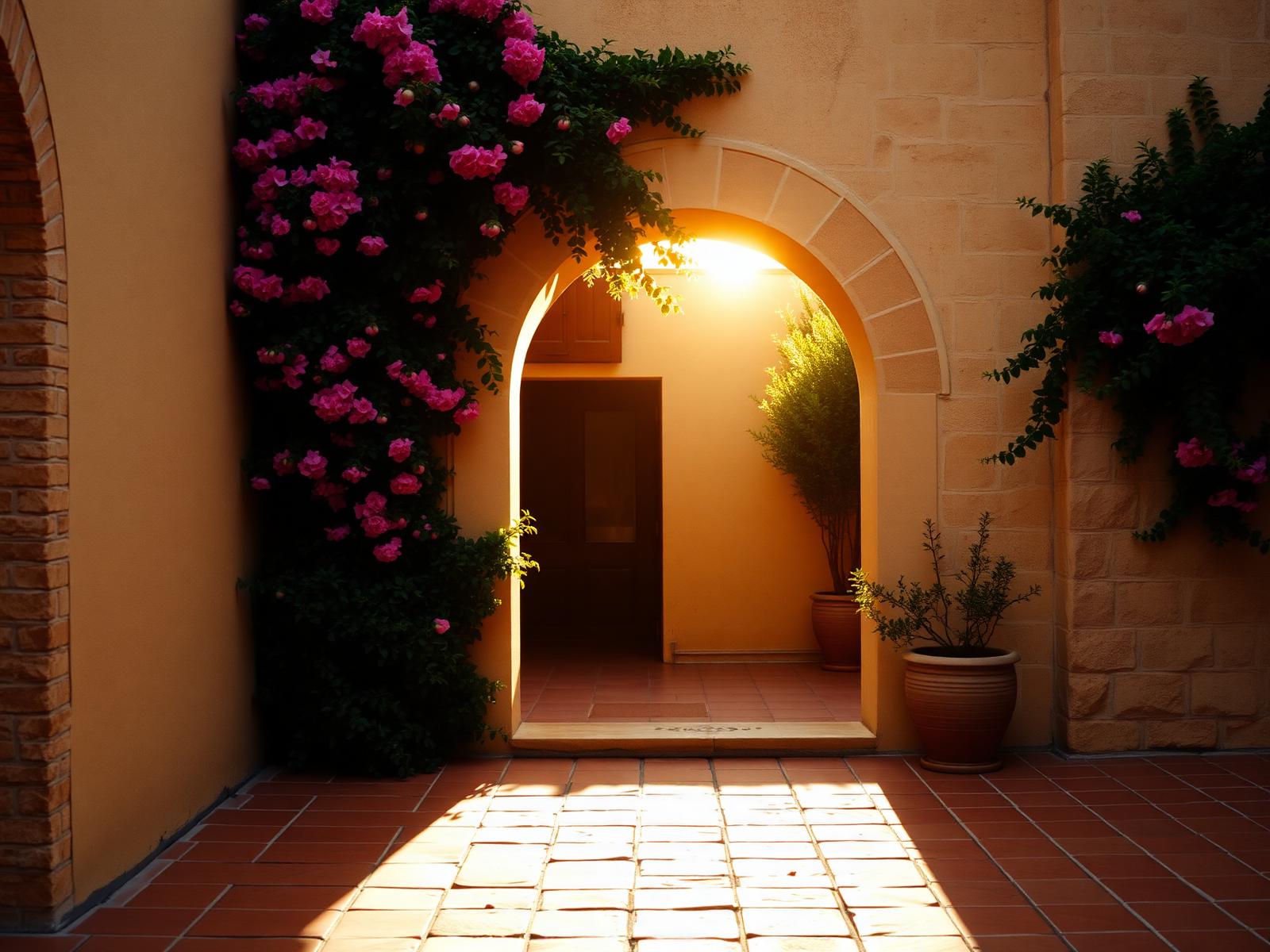
The instruction was unusual but not unfamiliar. Across Andalusía we have met a generation of owners who think of their houses as archives — places where the small accidental marks of a life are kept on purpose, so that the next inhabitant can read them. This is, it turns out, an old idea. The Roman houses excavated at Italica have plaster scratched with the names of children. The medieval houses of Toledo have crosses cut above the lintels by mothers. The eighteenth-century town houses of Cadiz have notches carved into door frames to record the heights of grandchildren.
Memory as architecture
The houses we now find ourselves writing about most often are the ones that have respected this lineage. They are not always the most beautiful. They are not always the most expensive. They are, almost without exception, the most legible. A buyer can walk into one and, without being told, understand who the previous owners were, what they cared about, and what they wanted the house to remember about them.
A house that has been kept reads like a letter the previous owner wrote to the next one.
This is, we think, a quality the European market is only now beginning to value. For two decades the prevailing taste was for the un-marked house: white walls, sanded floors, no trace of who had lived there before. The thinking was that a clean slate sold faster. It probably did. But the houses sold this way tended to be re-renovated by the next owner within a decade — and then again, and then again — until eventually no-one could remember what the house had been before, including, sometimes, the house itself.
A modest proposal
We are not arguing for preservation as religion. Houses are for living in, and living in a house always means changing it. But we have come to believe that the small, deliberate refusal to erase something is one of the most generous gestures an owner can make to whoever comes next.
The owner outside Ronda has now sold his house. We will not say to whom. We will say only that the new owner has agreed, in writing, not to repaint the ochre square above the kitchen door. The horse, drawn by a six-year-old in 1971, will also remain.
Continue reading
All essays → Editorial · 8 min
What a house is worth, and what it costs
On the difference between price and value, and why we have stopped using the first to describe the second.
 Markets · 11 min
The quiet market
Why the most interesting European homes are no longer listed, and what that means for the people looking for them.