The quiet market
Why the most interesting European homes are no longer listed, and what that means for the people looking for them.
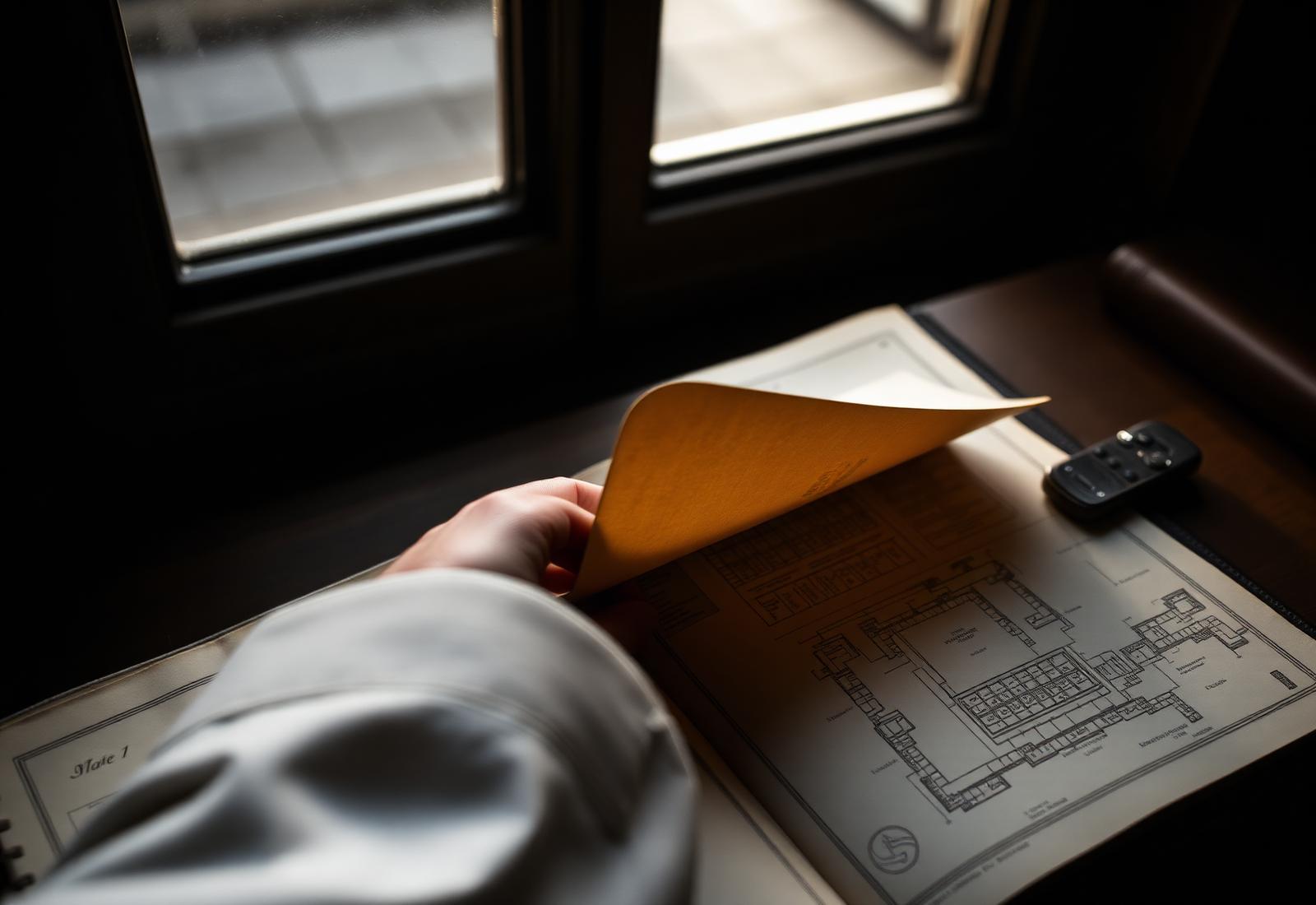
When a house has been in a family for a hundred years, the family does not, as a rule, want it photographed by a drone. They want it sold the way it was bought — quietly, by introduction, and to someone who will treat the house with the deference its previous keepers gave it. Increasingly, this is true not only of inherited houses, but of new ones too: the architect's own home, the developer's last villa, the artist's studio. The owners of these houses have come to understand that publicity is a tax on character.
A different kind of inventory
The result is a parallel market, much larger than most buyers realise, made of houses that exist on no portal and in no agent's window. They appear, briefly, in conversations between brokers who have known each other for a decade, in the pages of a few small publications, and in the diaries of a handful of advisors who keep a list of clients looking for very specific things. Then they disappear into their next ownership and are not heard from again until the next generation needs to move on.
We are not romantic about this. A quiet market has its costs: it is harder for new buyers to enter, easier for prices to drift untested, and more reliant on the integrity of the people who staff it. But it is, on balance, better for the houses themselves, which are no longer obliged to perform for an audience of casual scrollers.
Publicity is a tax on character.
What we do, and what we do not do
Prominent does not run a private listings book. We are not a brokerage. What we do is keep an editorial record of houses that have crossed our desks — through introductions, through commissions, through the long lunches in which European property is, for the most part, actually transacted. When a reader writes to us about a house they hope to find, we do what any honest editor does: we say what we know, and we say what we do not.
Sometimes that means making an introduction. More often it means saying that the house they are looking for is not, this year, on any market, public or private, and asking them to be patient. The houses worth knowing tend to come around. They simply do so on their own timetable.
A note for owners
If you are an owner thinking about a quiet sale, the first thing to know is that quietness is a discipline, not a setting. It requires choosing, in advance, which three or four people you trust to know that the house is available, and accepting that one of them will, eventually, find the buyer. The second thing to know is that a quiet sale almost always takes longer than a public one — six to eighteen months is normal — and that this is the price of selling to someone who has not been hurried into the decision.
We are happy to talk to owners considering this path. We do not, as a rule, take a fee for the conversation.
Continue reading
All essays → Editorial · 8 min
What a house is worth, and what it costs
On the difference between price and value, and why we have stopped using the first to describe the second.
 Field Notes · 7 min
What the walls remember
A note from a winter in Andalusía, and a small theory of why the best European houses are the ones that have been allowed to forget nothing.