A Soap Maker in Provence
In the heart of Provence, a new generation of artisans is quietly reviving the ancient craft of soap making.
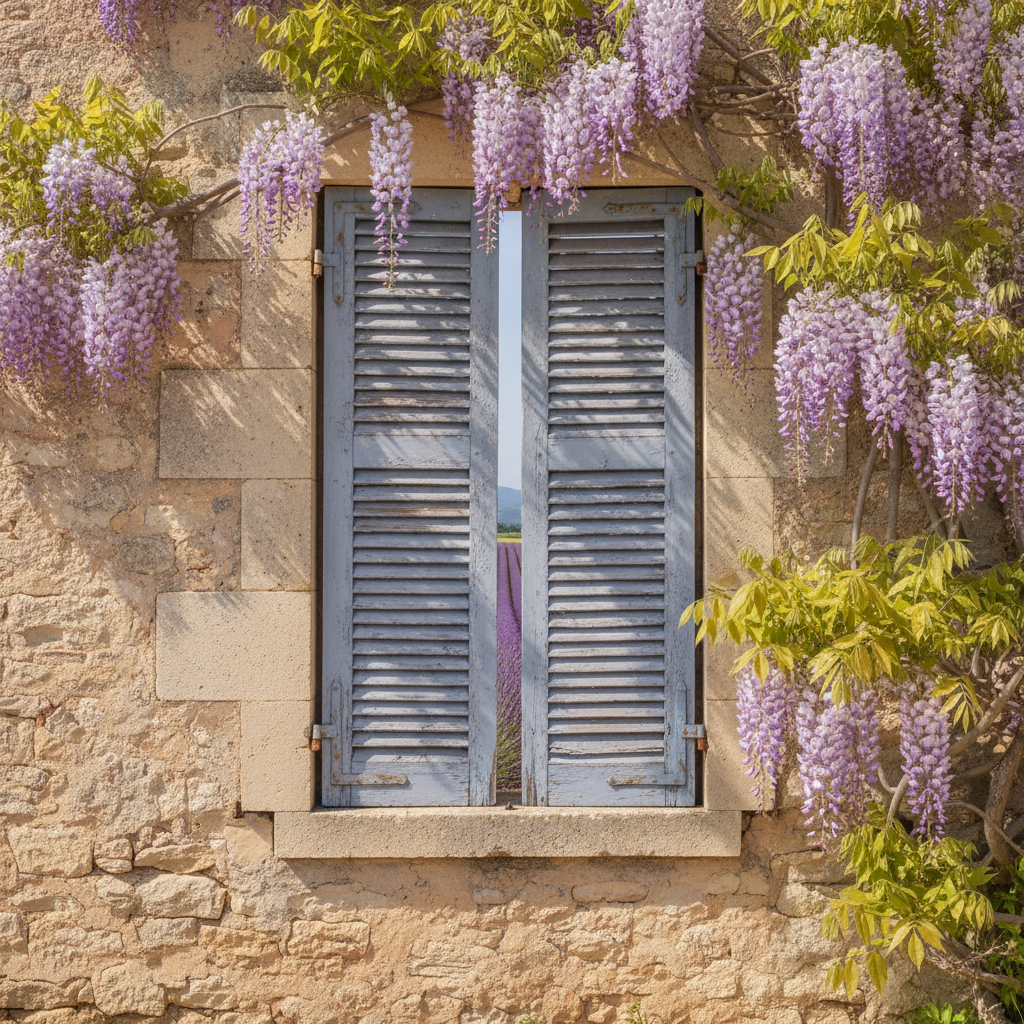
The old soap factories of Marseille are quiet now. The great machines, once turning out tonnes of the city’s famous product, have fallen silent. What was once a major industry, a cornerstone of the region’s economy, has been reduced to a tourist-trinket trade, a shadow of its former self.
But in the villages that dot the landscape of Provence, something is stirring. A new generation of artisans, working on a small scale, is reviving the ancient craft of soap making. They are not interested in mass production, in competing with the industrial giants. Theirs is a different philosophy, a return to the old ways.
One such artisan is a young man who has set up his workshop in a converted barn on the outskirts of a small village. He works alone, surrounded by the tools of his trade: a large cauldron, wooden moulds, and racks of drying soap. The air is thick with the scent of lavender and olive oil.
He is a man of few words, preferring to let his work speak for itself. He explains that he is not simply making soap; he is preserving a tradition, a piece of his cultural heritage. His methods are the same as those used by his ancestors centuries ago. He uses only natural ingredients, sourced locally whenever possible.
To hold a bar of this soap is to hold a piece of Provence in your hand.
The process is slow and deliberate. The oils are mixed and heated, the lye is added, and the mixture is stirred until it thickens. It is then poured into moulds and left to cure for several weeks. Each bar is cut and stamped by hand.
The New Savonnerie
This is not a business model that would appeal to a venture capitalist. The profits are modest, the work is hard, and there is no prospect of rapid growth. But that is not the point. The point is to create something of value, something that is made with care and integrity.
This is part of a wider movement, a rejection of the disposable culture of mass consumption. It is a quiet revolution, a return to the idea of craftsmanship, of things that are made to last.
The soap maker is not alone. Throughout Provence, there are other artisans who are working in a similar way. There are weavers and potters, bakers and cheese makers. They are all part of a small, local economy that is based on quality and tradition.
These artisans are not just producing goods; they are also creating a sense of community. They are a reminder that there is another way of living, a way that is slower, more sustainable, and more human.
The longer reading, with plates and a directory of artisans in Provence, France, lives in Edition IV of the magazine.
The longer reading lives in the magazine.
This essay is one observation. Edition IV carries the plates, the studies and the directory of Provence, France — thirty pages, on uncoated stock, posted across Europe.
Continue reading
All essays → Editorial · 8 min
What a house is worth, and what it costs
On the difference between price and value, and why we have stopped using the first to describe the second.
 Markets · 11 min
The quiet market
Why the most interesting European homes are no longer listed, and what that means for the people looking for them.