Drawing slowly
Notes from the studio: how we brief the architects we work with, and why the first sketch is almost always the wrong one.
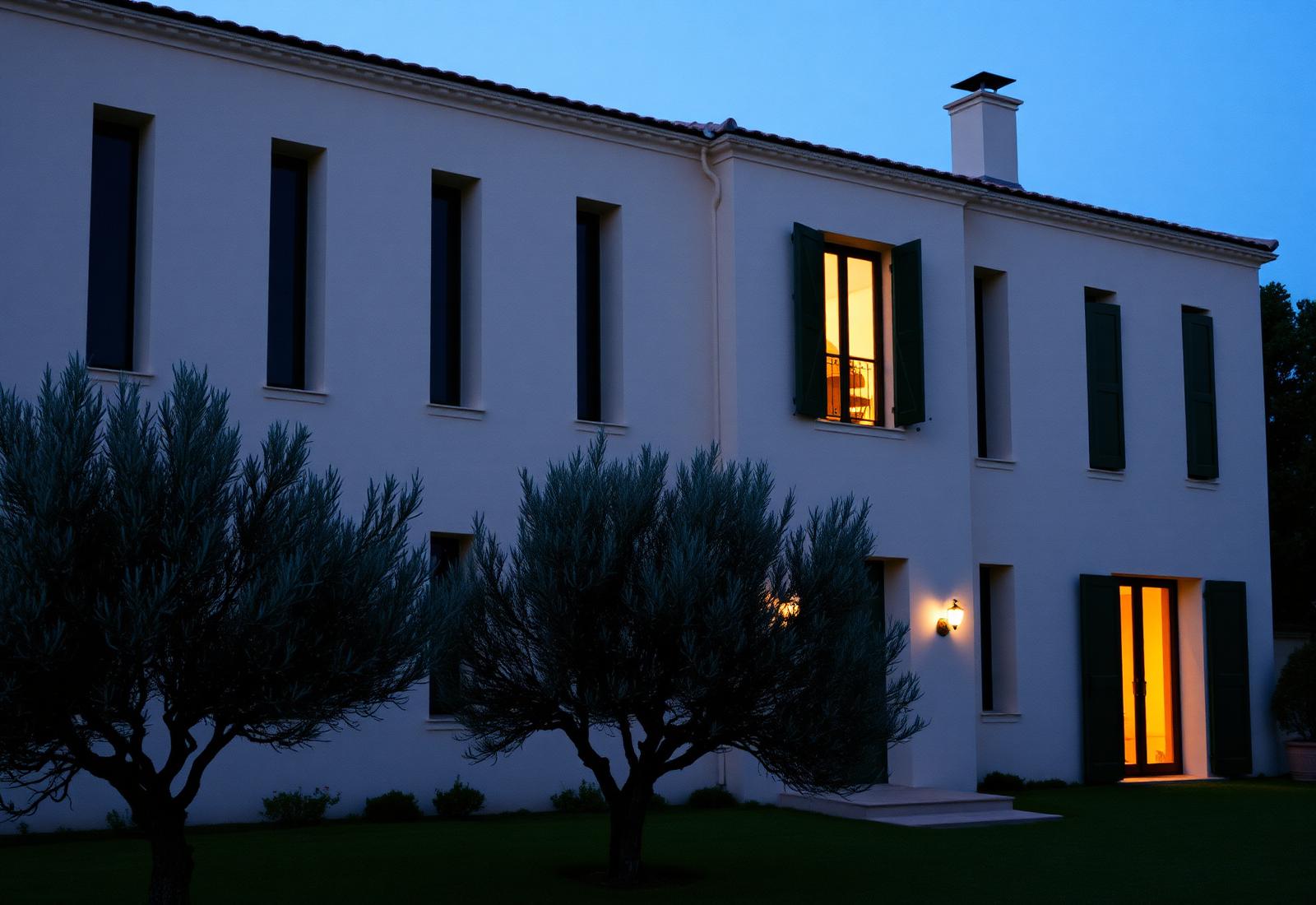
A development practice is, in part, an exercise in restraint about its own enthusiasm. We have learned, slowly, that the best projects are the ones we do not over-design at the brief stage. Our briefs now run to about four pages. They describe how the client lives, who else lives with them, what they are running away from in their current house, and what they hope, quietly, the new house will let them become. They do not specify materials. They do not specify a plan. They do not, except in rare cases, specify a budget — that comes after the architect has had a chance to argue with the site.
Why the first sketch is wrong
Every architect we work with has been told, at some point in their training, that the first sketch is the most important. We disagree. The first sketch is almost always a record of what the architect already knew before they saw the site. It is honest, energetic, and wrong. The second and third sketches, made after a few days on the land, are usually better. The fifteenth sketch, made after a winter of looking, is almost always the one we build.
This is a slow way to work. It costs the practice money — sometimes a lot of money — because architects are not, as a rule, paid by the sketch. But it produces houses that sit on their sites as if they had been there longer than the trees. We have not yet found a faster method that does not, eventually, embarrass us.
The first sketch is honest, energetic, and wrong.
A note on materials
Most of the houses we have commissioned in the past five years have used fewer than eight materials. This was not a rule we set. It is a pattern we noticed, after the fact, by looking at our completed projects and counting. The houses that use more than eight tend to read as restless; the houses that use fewer than four tend to read as severe. Eight is not magic — it is just where, for the kind of work we do, the houses we are proud of seem to land.
The eight, in case it is useful: a stone (usually local), a timber (usually slow-grown), a metal (usually unlacquered brass or blackened steel), a render (usually lime-based), a tile (usually handmade), a glass (usually low-iron), a textile (usually undyed linen), and a paint (usually one colour, mixed by hand, used everywhere). The architect chooses the eight. We do not.
What the client signs off on
At the end of the long process, the client receives a single drawing on a single sheet of paper. It shows the house in plan, in section, and in three views, at the same scale. There is no rendering. There is no flythrough. There is, by agreement, no attempt to make the house look better than it is going to look. If the client cannot read the drawing and recognise the house they are about to live in, we have not done our job.
This, we have come to believe, is the only honest deliverable in residential architecture. Everything else is a sales document.
Continue reading
All essays →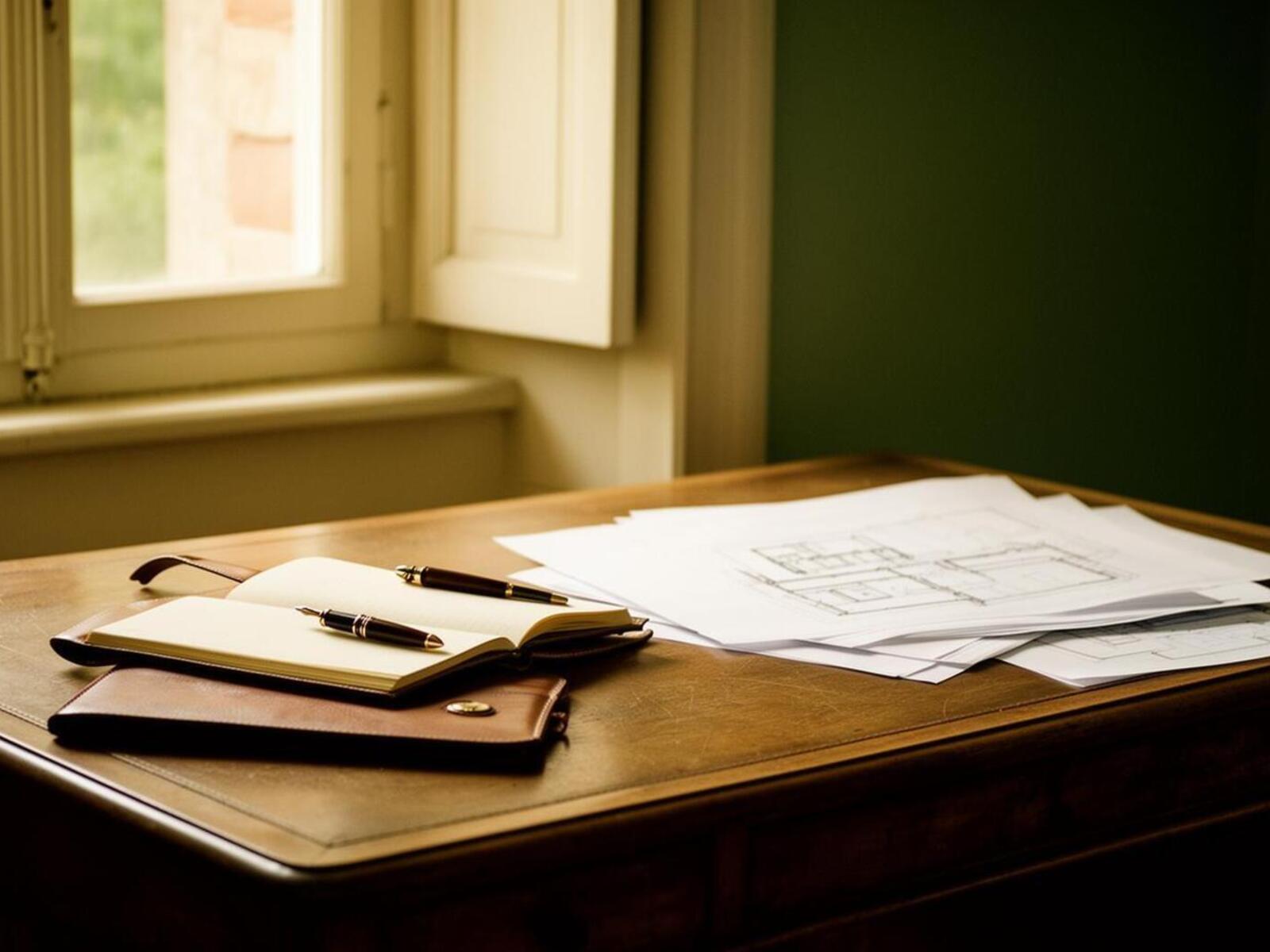 Editorial · 8 min
What a house is worth, and what it costs
On the difference between price and value, and why we have stopped using the first to describe the second.
 Markets · 11 min
The quiet market
Why the most interesting European homes are no longer listed, and what that means for the people looking for them.