The Market That Furnishes a Region
In L'Isle-sur-la-Sorgue, the celebrated Sunday market does more than draw crowds; it quietly dictates a region-wide aesthetic.
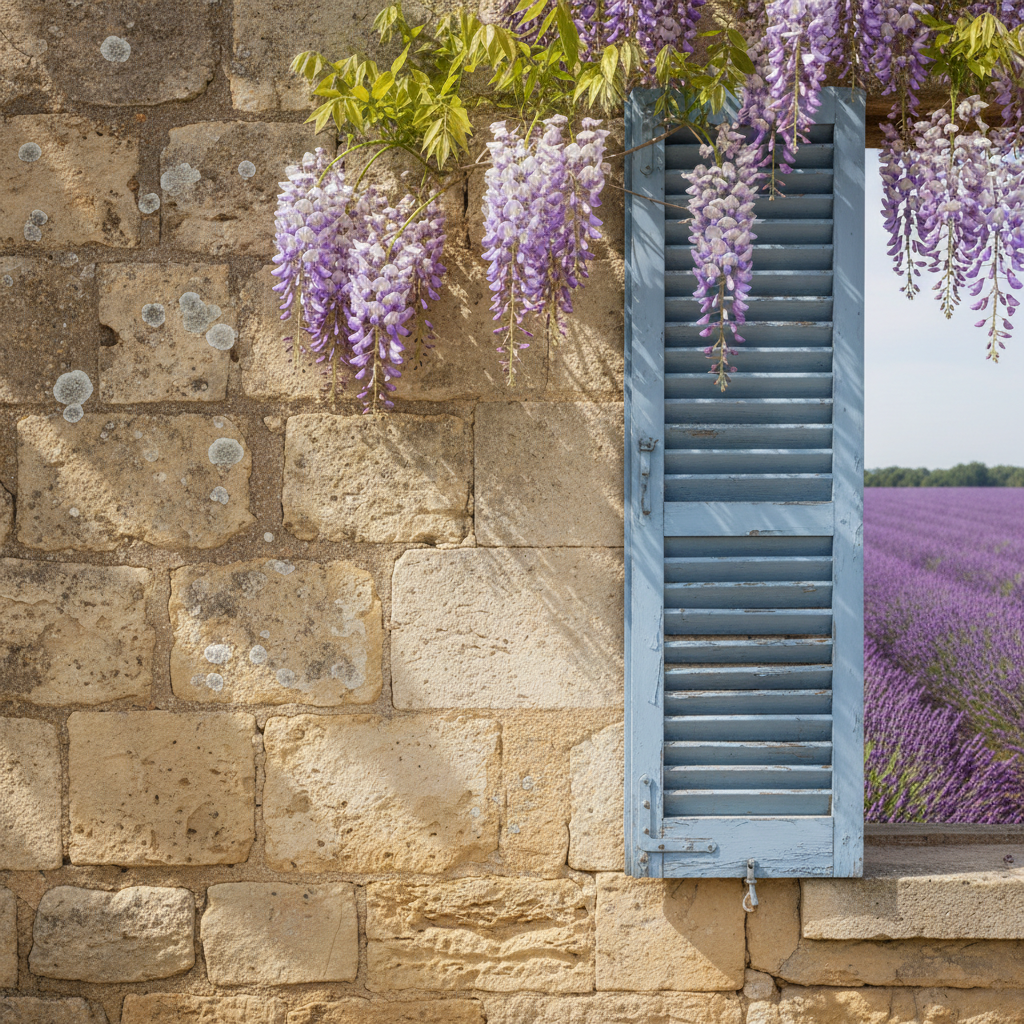
The Sorgue is a quiet river, a split-vein of the Durance that pools into a network of canals around the town of L'Isle-sur-la-Sorgue. On most days, its mossy paddle wheels turn with a slow, hypnotic rhythm. The water is lucid, impossibly green, reflecting the undersides of stone bridges and the plane trees that line the quays. On a Sunday, the water is still there, but the town it runs through is transformed.
From early morning, vans and flatbed trucks find their positions along the Avenue des Quatre Otages. Merchants unfold tables, unspool canvases, and begin the careful work of placing their wares. By ten, the streets are a tide of people. This is the Marché de l'Isle-sur-la-Sorgue, the largest and most famous gathering of antique dealers and bric-a-brac traders in Provence.
One comes here for everything and for nothing in particular. The market is a museum in motion, its collections changing with the week. There are stalls dedicated to heavy, orchard-hewn farmhouse tables, their surfaces scarred with the stories of a hundred family meals. Others display stacks of linen—monogrammed, washed to an impossible softness, their faint ecru tones a study in the shades of white.
Entire sections are given over to the arts of the table. Long stretches of quay are lined with mismatched sets of Digoin Sarreguemines plates, antique silver, and the regional Faience earthenware, its glaze bearing the fine-veined crackle of age. You find the things that make a Provençal house a home: demijohns, or dame-jeanne, in shades of soft green; stoneware water jugs; and vast, hand-thrown terracotta pots that once held olive oil.
The Grammar of the Home
To wander the market is to learn a visual language. The objects, presented en masse, reveal a collective sensibility. It is a style born of restraint, utility, and a deep appreciation for the way materials improve with time. The sun-bleached timber, the cool weight of stone, the texture of hand-woven textiles—these are the elements that define the Provençal interior.
The market proposes a way of living where the past is not a foreign country but the very furniture of the present.
The influence of this weekly event radiates outward, far beyond the town’s limits. An interior in Gordes or a garden in Bonnieux is almost certainly dressed in pieces that have passed through L'Isle-sur-la-Sorgue. It is the common denominator, the source code for a regional identity built on patina and provenance.
The act of furnishing a home from the market is an act of curation. It requires a patient eye and a willingness to see the beauty in imperfection. A chipped pitcher or a mended chair is not a flaw but a marker of its journey. The buyers—locals, designers, visitors from abroad—are not merely shopping. They are participating in a quiet, sustained conversation about what it means to live in this place.
As the afternoon wanes and the crowds begin to thin, the merchants start their slow process of packing away. The objects retreat into vans, the tables are folded, the canvases rolled. The town begins its return to stillness.
By evening, the waters of the Sorgue once again reflect an uncluttered view of the plane trees and the sky. The market is gone, but its contents are already settling into new lives, adding another layer to the intricate, lived-in tapestry of the region. They have become part of the grammar of the Provençal home.
The longer reading on this subject, complete with plates and a directory for navigating Provence, France, is available in Edition IV of the magazine.
The longer reading lives in the magazine.
This essay is one observation. Edition IV carries the plates, the studies and the directory of Provence, France — thirty pages, on uncoated stock, posted across Europe.
Continue reading
All essays → Editorial · 8 min
What a house is worth, and what it costs
On the difference between price and value, and why we have stopped using the first to describe the second.
 Markets · 11 min
The quiet market
Why the most interesting European homes are no longer listed, and what that means for the people looking for them.