The Slow Yielding of the Stone
Above Carrara, the marble quarries teach a lesson in the immense and often frustrating patience of geology.
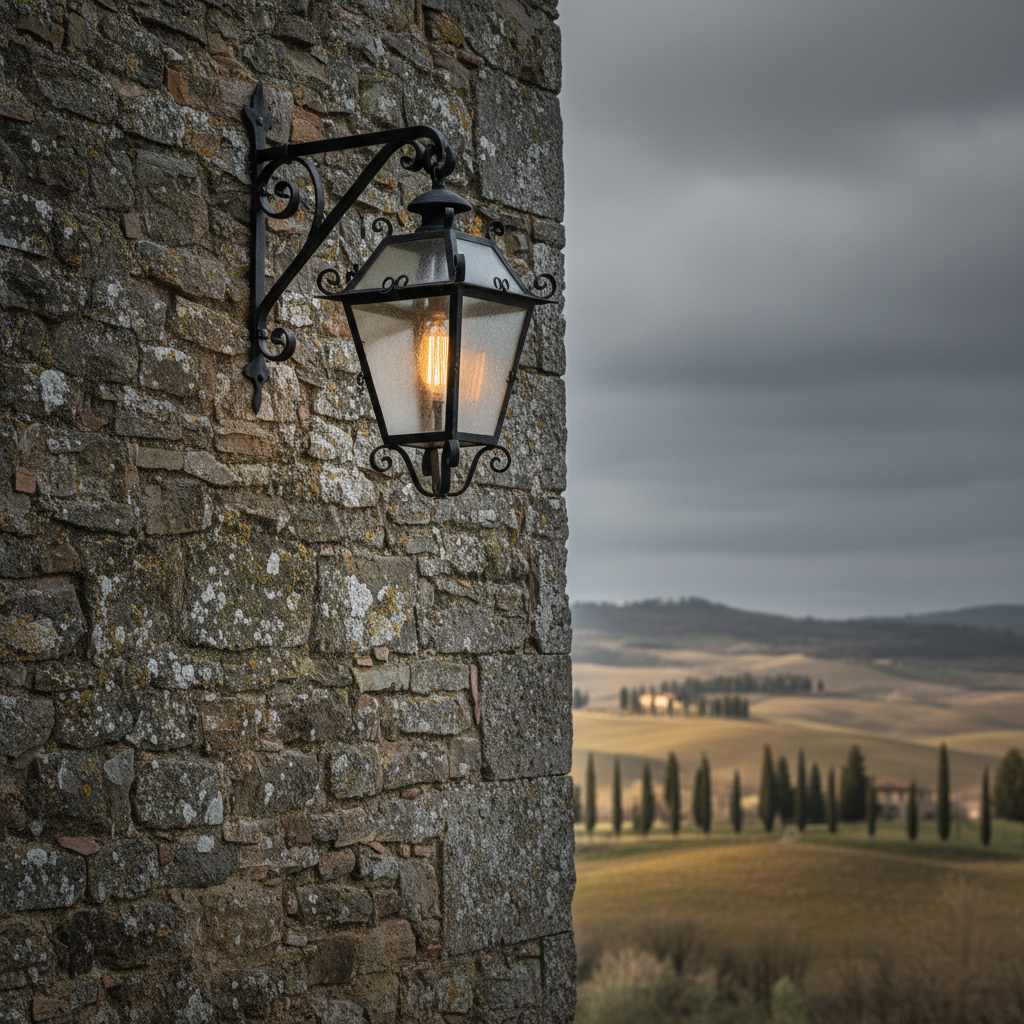
The road from Carrara to its quarries is a procession of switchbacks. It climbs into the Apuan Alps, leaving the Ligurian Sea behind for a landscape of stark, white wounds. These are the mountains that have supplied sculptors and architects for millennia, their bright marble bones exposed to the sky.
To see them is to witness a conversation between human ambition and geological time. The mountainsides are scarred, terraced by centuries of extraction. Trucks, looking like ants from a distance, grind their way up impossible grades. The scale of the operation is difficult to comprehend. It is industry at its most elemental.
What is most striking, however, is not the activity but the stillness. The marble itself seems to hold a deep quiet. This is stone that began as marine sediment on an ancient ocean floor, compacted and recrystallized by heat and pressure over 190 million years. Its existence is a testament to immense, inhuman patience.
The men who work these quarries understand this. They speak of the stone not as an inert resource but as a living thing with its own character, its own will. A block may have a hidden flaw, a fracture line that will only reveal itself halfway through a cut. A vein of color can appear unexpectedly, altering the value of a thousand-ton section.
The mountain gives up its material on a geological time scale, not a human one.
This relationship is a negotiation. The workers use diamond-wire saws and heavy machinery, but they do so with a caution that borders on reverence. They read the rock, listening for the shifts in sound that signal a change in its internal structure. Blasting is rare; the aim is to persuade, not to conquer.
The Price of Patience
There is a cost to this slow work. It demands a letting go of urgency, an acceptance that the most valuable things are often those that take the longest to achieve. In a world that prizes speed and efficiency, the quarry is an anomaly. It is a place where time is measured in millennia, not minutes.
The marble that emerges is a record of this process. It carries the memory of the immense pressures that formed it and the careful labor that brought it into the light. When it becomes a floor, a countertop, or a sculpture, it brings that sense of deep time into a human space. It is a grounding presence.
To live with this stone is to be reminded of a different rhythm of life. It does not yield to fleeting trends. It weathers, it patinates, it absorbs the life that happens around it, but its fundamental nature remains unchanged. It asks for a similar patience from those who own it.
This is the quiet lesson of Carrara. That beauty is not always immediate. That value is often hidden, requiring effort and care to reveal. That the most enduring things are those that have learned to wait.
Our extended meditation on the patience of stone, complete with plates and a directory for Tuscany, Italy, is found in Edition III of our journal.
The longer reading lives in the magazine.
This essay is one observation. Edition III carries the plates, the studies and the directory of Tuscany, Italy — thirty pages, on uncoated stock, posted across Europe.
Continue reading
All essays → Editorial · 8 min
What a house is worth, and what it costs
On the difference between price and value, and why we have stopped using the first to describe the second.
 Markets · 11 min
The quiet market
Why the most interesting European homes are no longer listed, and what that means for the people looking for them.